Narsingdi & Tangail
Weavers
Handloom cotton, slub and khadi bases, woven to the width and weight each piece needs.
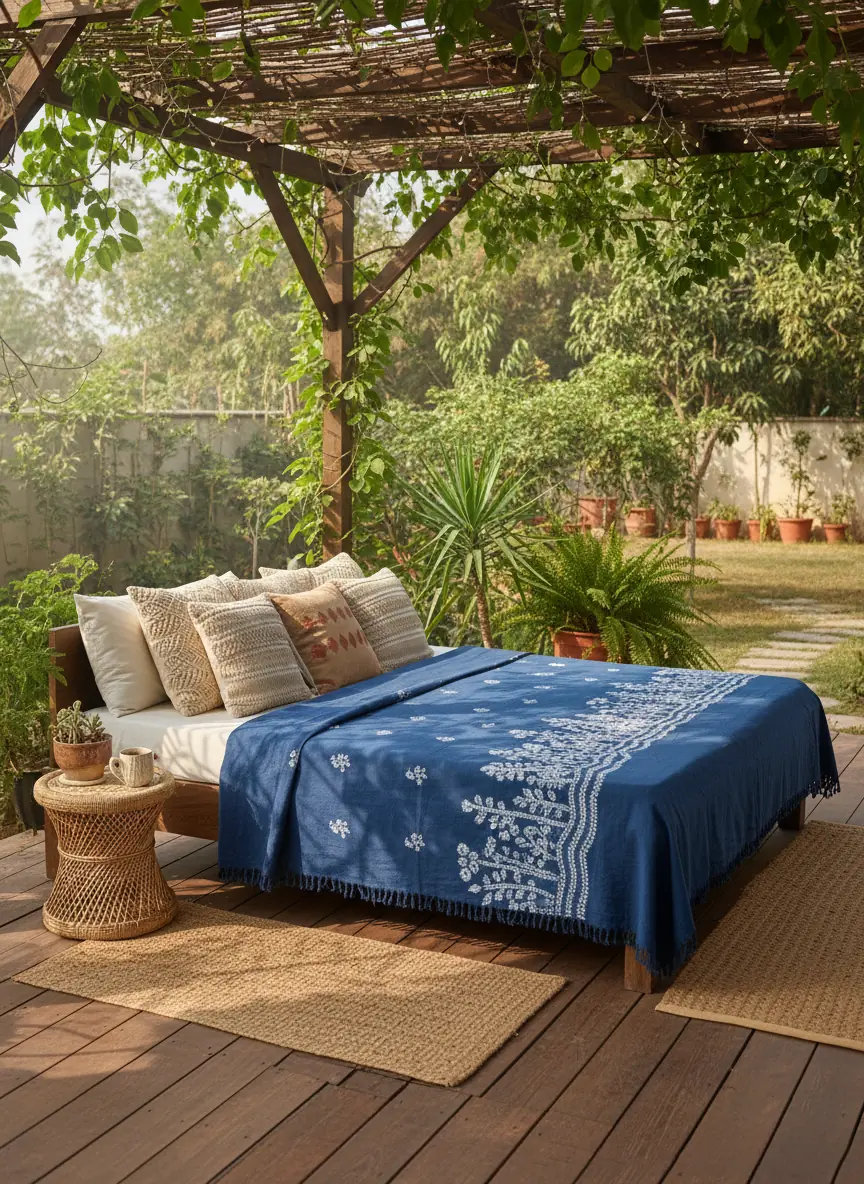
Shibori, tie-dye and natural-dye textiles for the home and wardrobe, designed in Dhaka and made with artisan communities across Bangladesh.
View the collectionThe house
Every piece begins as plain cotton, folded, stitched or bound by hand, then lowered into a vat of plant dye. The pattern is simply where the cloth was held. No two are ever quite the same, and that is the point.
Collection 01
The craft
We work with weavers, stitchers and dyers in their own villages and courtyards. Designs are drawn in our studio; the cloth is shaped and dyed by the hands that have known these techniques for generations.
How we makeWhere the thread holds, the cloth remembers.
the draper · Dhaka
For trade
We design and produce for retailers, concept stores, interiors studios and hospitality. Every style can be developed in your colourway and scale, with samples, costings and compliance documents prepared the way buyers expect.
Trade enquiries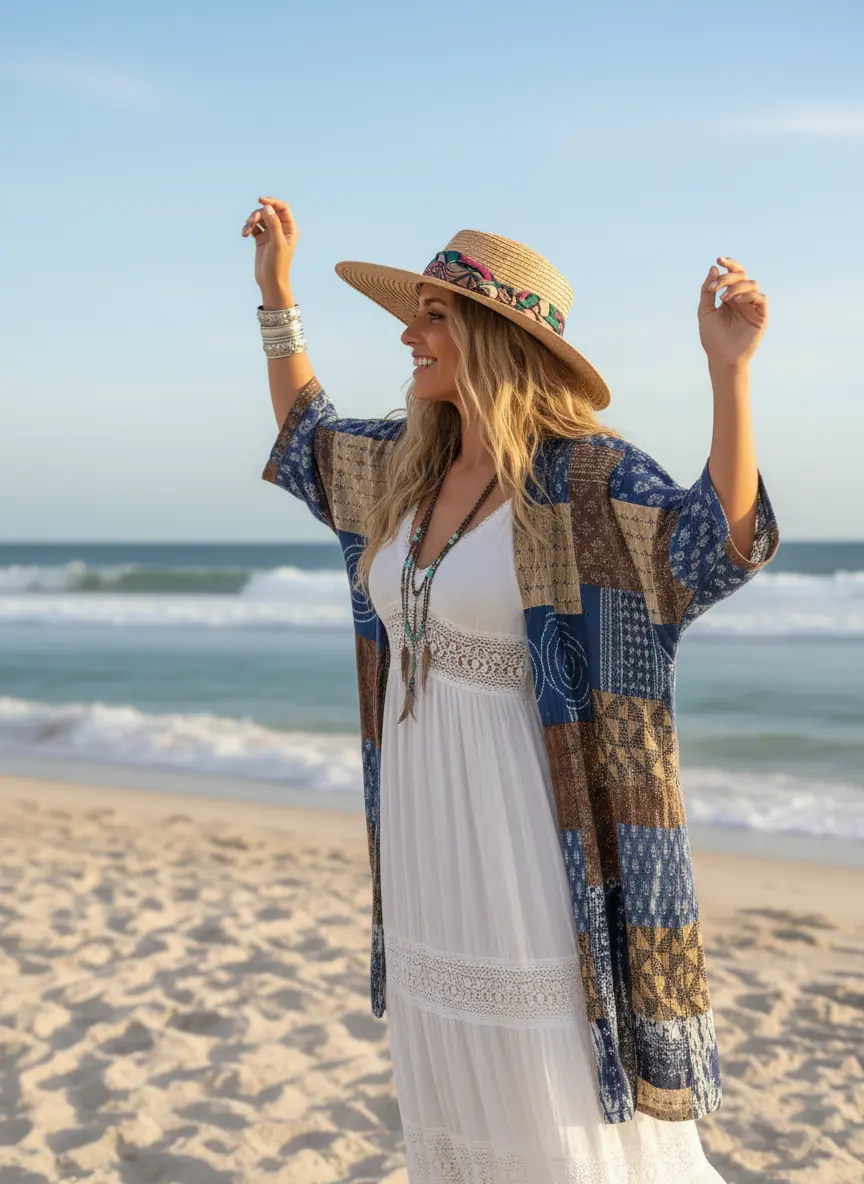
Collection 01 · Made to order
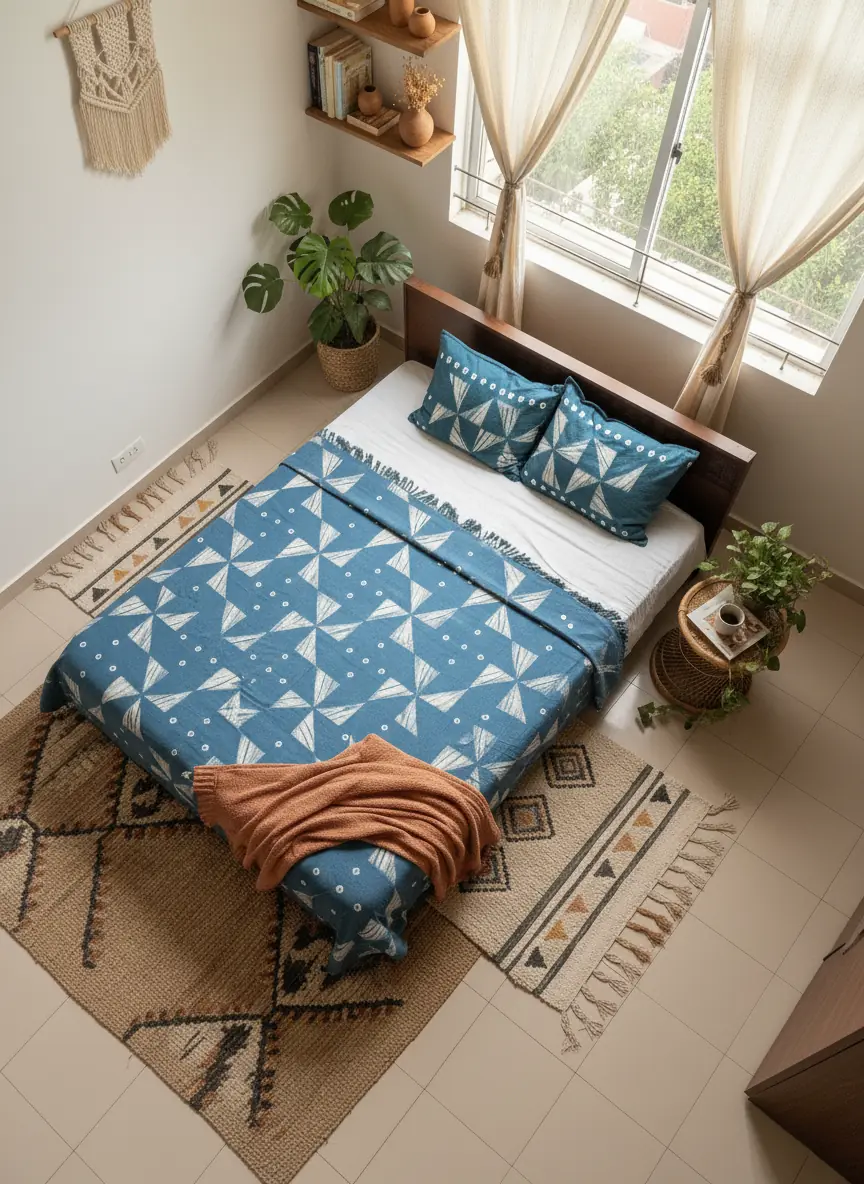
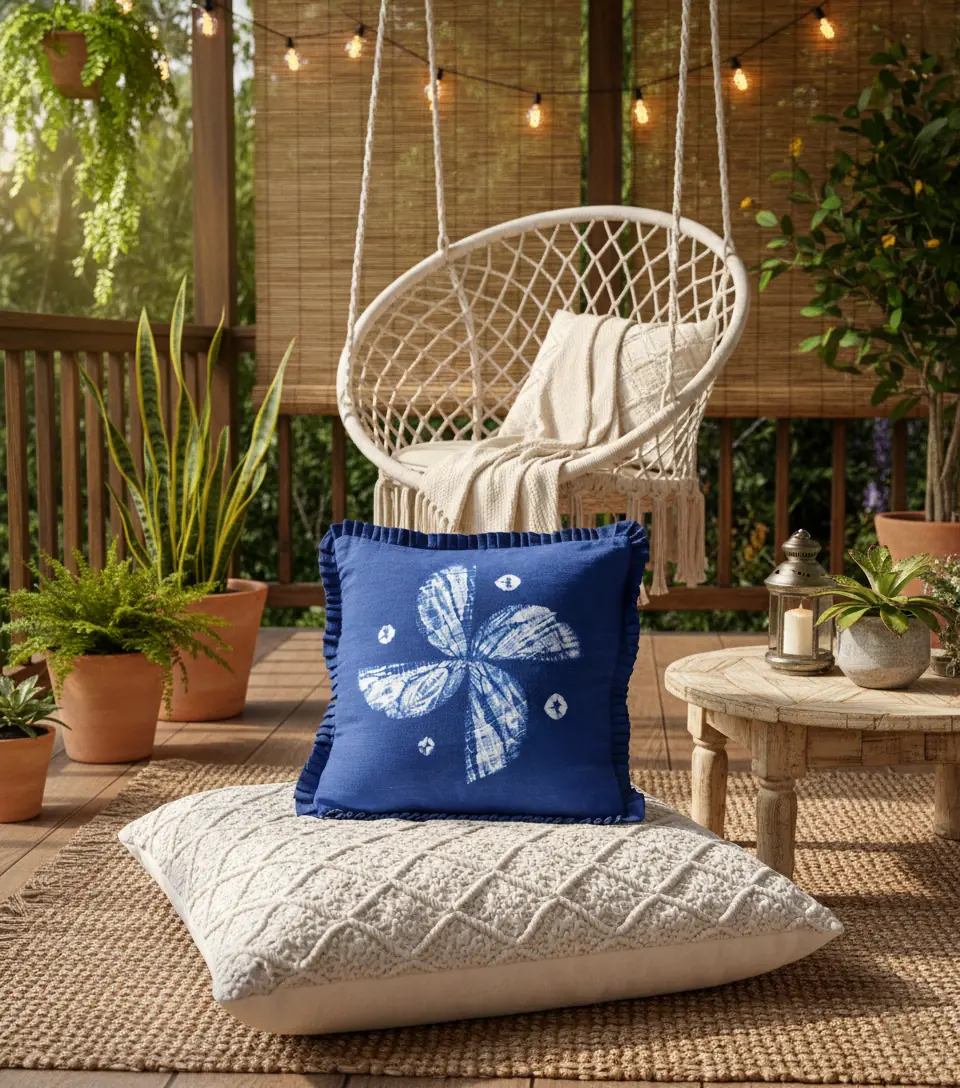
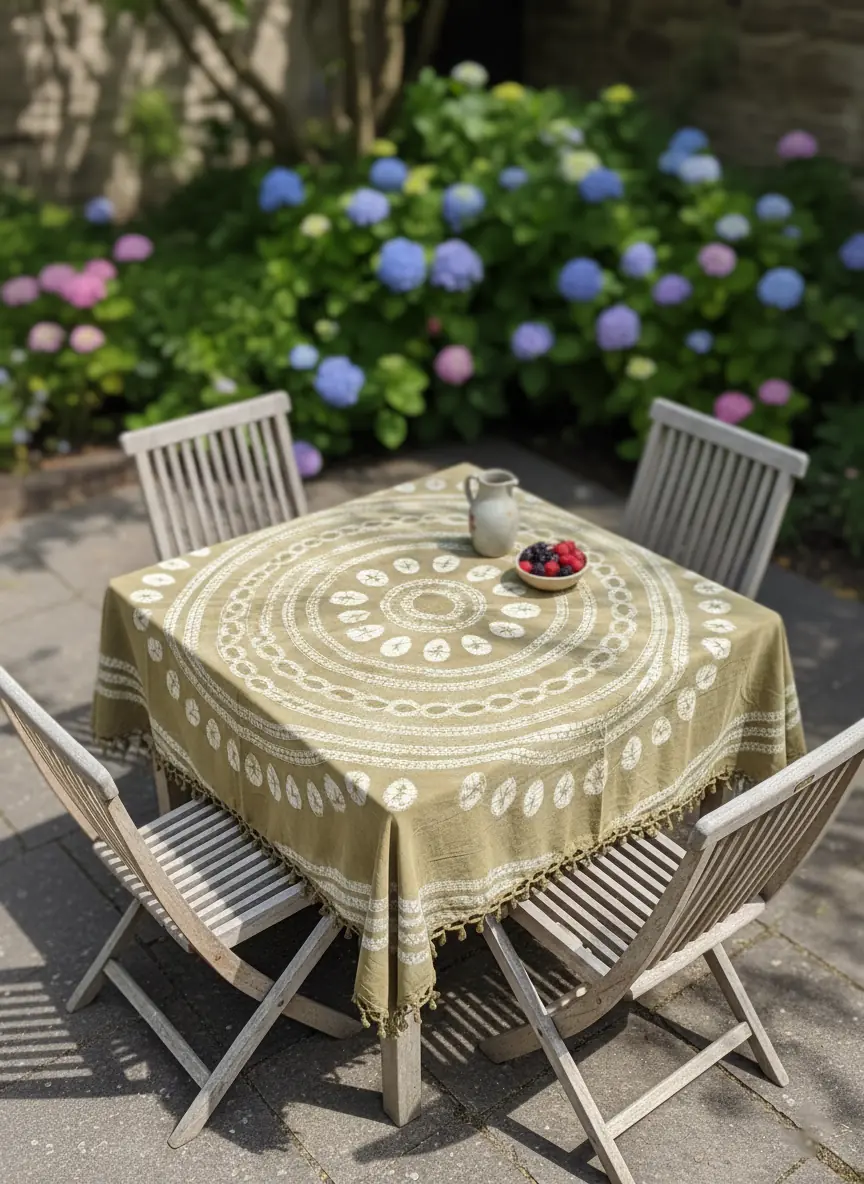
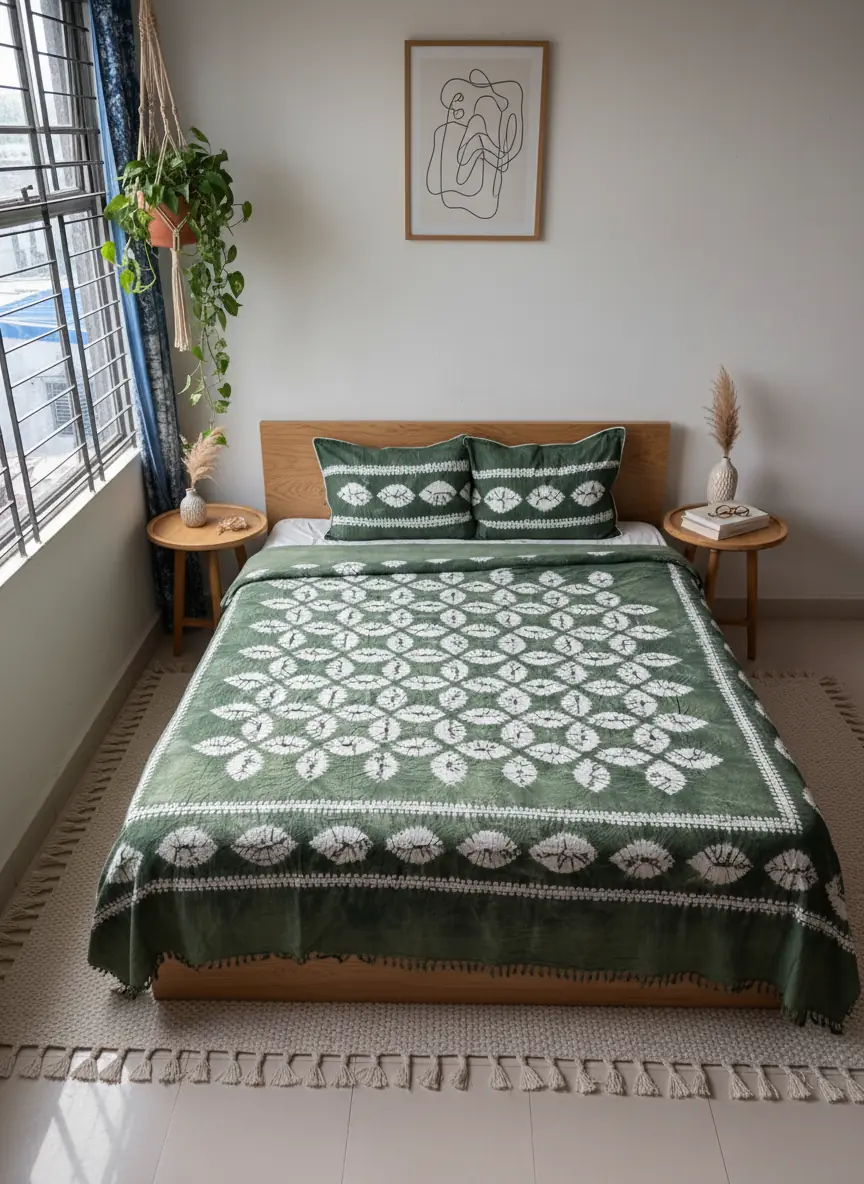
Bedcovers, table linen, curtains, cushions and wear in 100% cotton, each tied and dyed by hand. Open a piece for its technique, cloth and sizes. Every style is available in your own colourway.
Craft & Philosophy
Resist dyeing is slow on purpose. The cloth is shaped before it ever meets the dye, and the pattern only appears when the threads are cut.
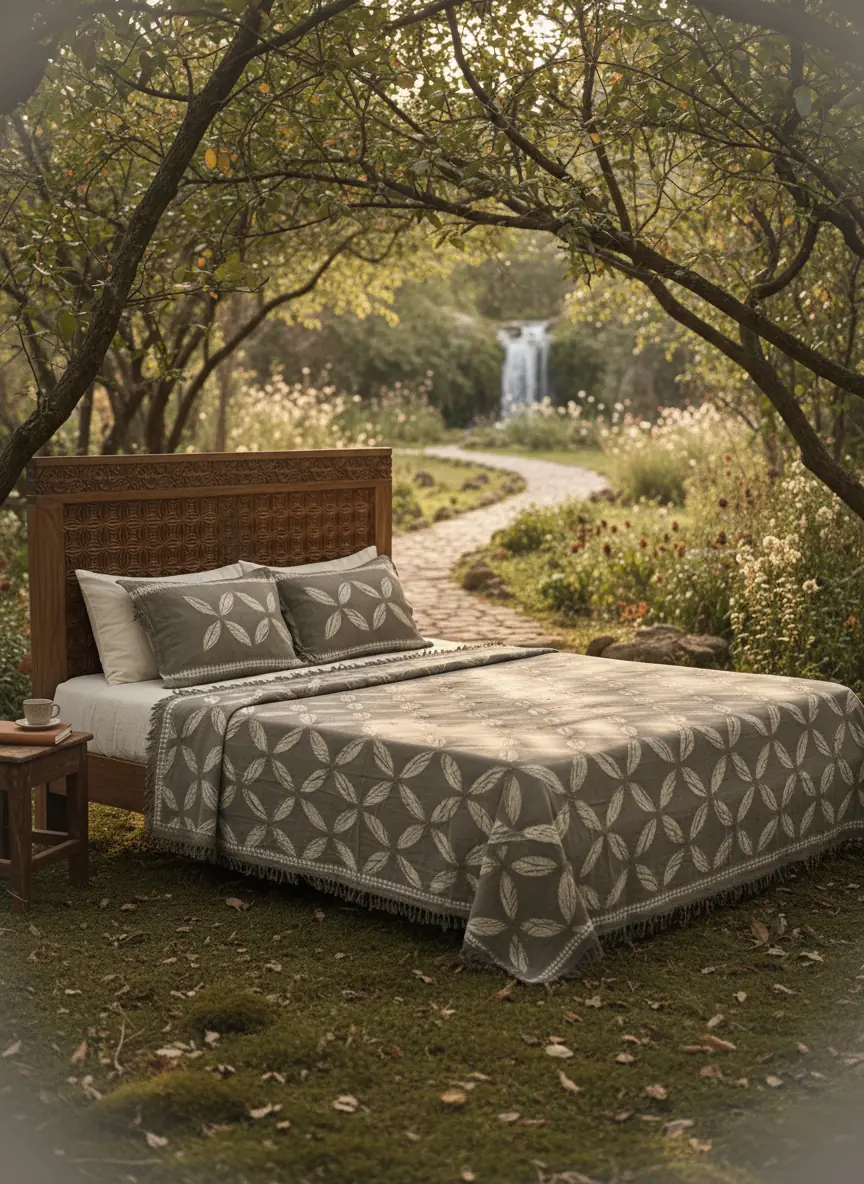
From brief to bale
Pattern, scale and colour are drawn in the studio, then translated into a fold or stitch map for the makers.
Cotton is woven and scoured to remove starch, so the dye takes evenly.
Thread, wooden blocks or poles hold parts of the cloth away from the dye.
Indigo builds dip by dip, turning green to blue in the air. Other colours go into mordant baths.
Bindings are cut, the pattern revealed, and the cloth rinsed and dried in the sun.
Cut, sewn, measured to spec, tested for wash and rub fastness, then packed.
Techniques
Cloth folded into a stack and clamped between shaped blocks. Gives our pinwheels, stars, grids and triangles (sankaku).
A line of running stitch drawn tight before dyeing. Used for outlines, fern borders and fine rings.
Cloth folded and stitched along the fold, which dyes into leaf and petal shapes with a sharp edge.
Rows of parallel stitching gathered tight, leaving soft, rippling lines like the grain of timber.
Points of cloth pleated and bound in tight bands, opening into radiating circles like a web or sand dollar.
Small pinches of cloth tied with thread to leave dots and rings. The Japanese cousin of our own bandhan tie.
Cloth wrapped diagonally around a pole and compressed, giving rain-like slanting lines.
Cloth pleated lengthwise and bound at intervals, for broken stripes with an irregular rhythm.
Bengal's own quilting stitch, layered over dyed cloth for quilts, throws and patchwork.
The dye library
Five raw materials, sourced in Bangladesh and India, give our whole palette. Overdyeing one on another adds three more.
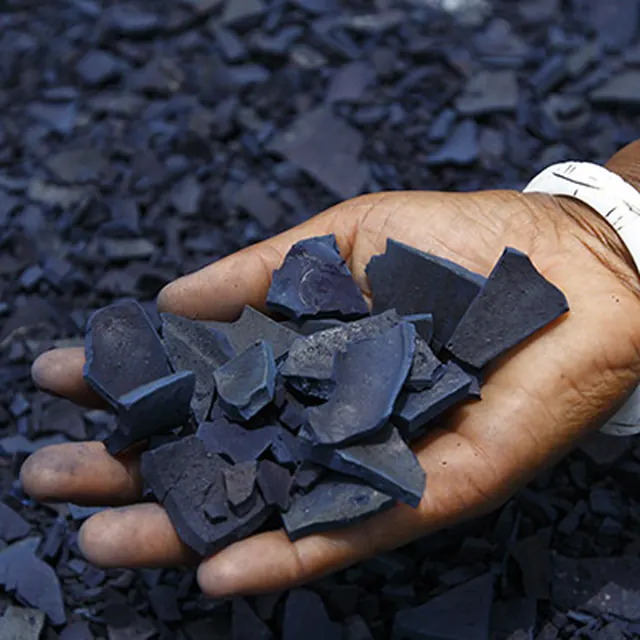
Fermented in the vat and built up dip by dip, from pale sky to near-black navy.
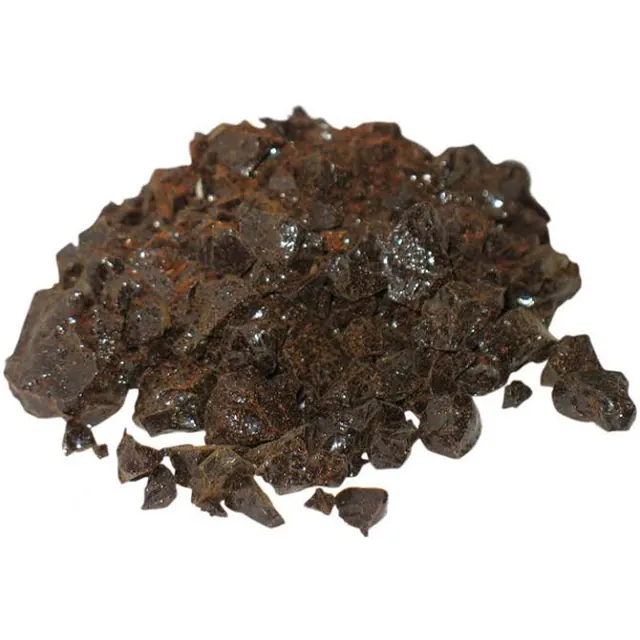
Known locally as khoyer. Gives warm browns from cocoa to deep bark.
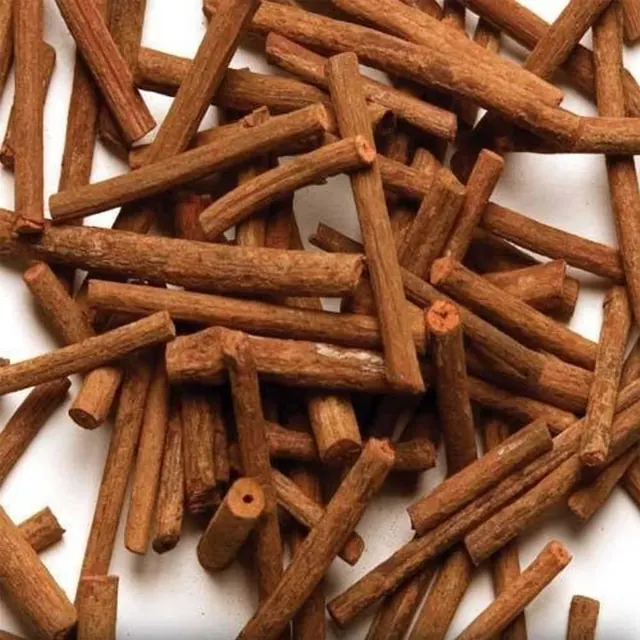
Manjistha root. Rust, brick and soft terracotta reds.
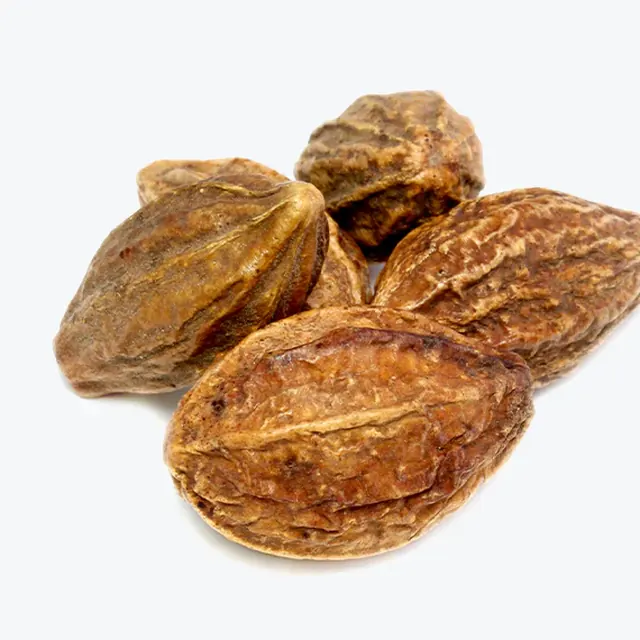
Haritaki. A golden yellow, and the tannin base that helps other colours hold.
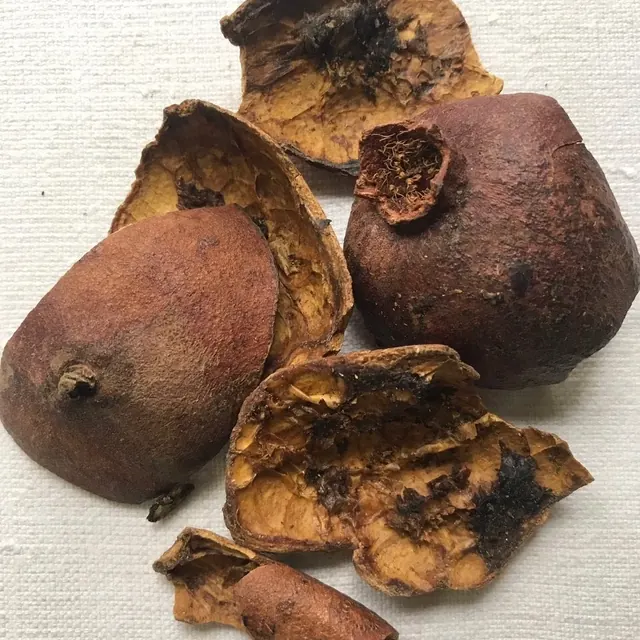
Dried rind gives khaki and mustard tones, and olive over indigo.
Overdyed shades
Philosophy
What is held back makes the pattern.
No two tied pieces are identical. We design for that variation and tell buyers how much to expect, so the maker's hand reads as character.
Piece rates are agreed with each group at sampling and paid on delivery to the studio, never held until a buyer pays us.
Shibori from Japan, bandhan and kantha from Bengal. We honour where each technique comes from and design it for how people live now.
Studio
Our story
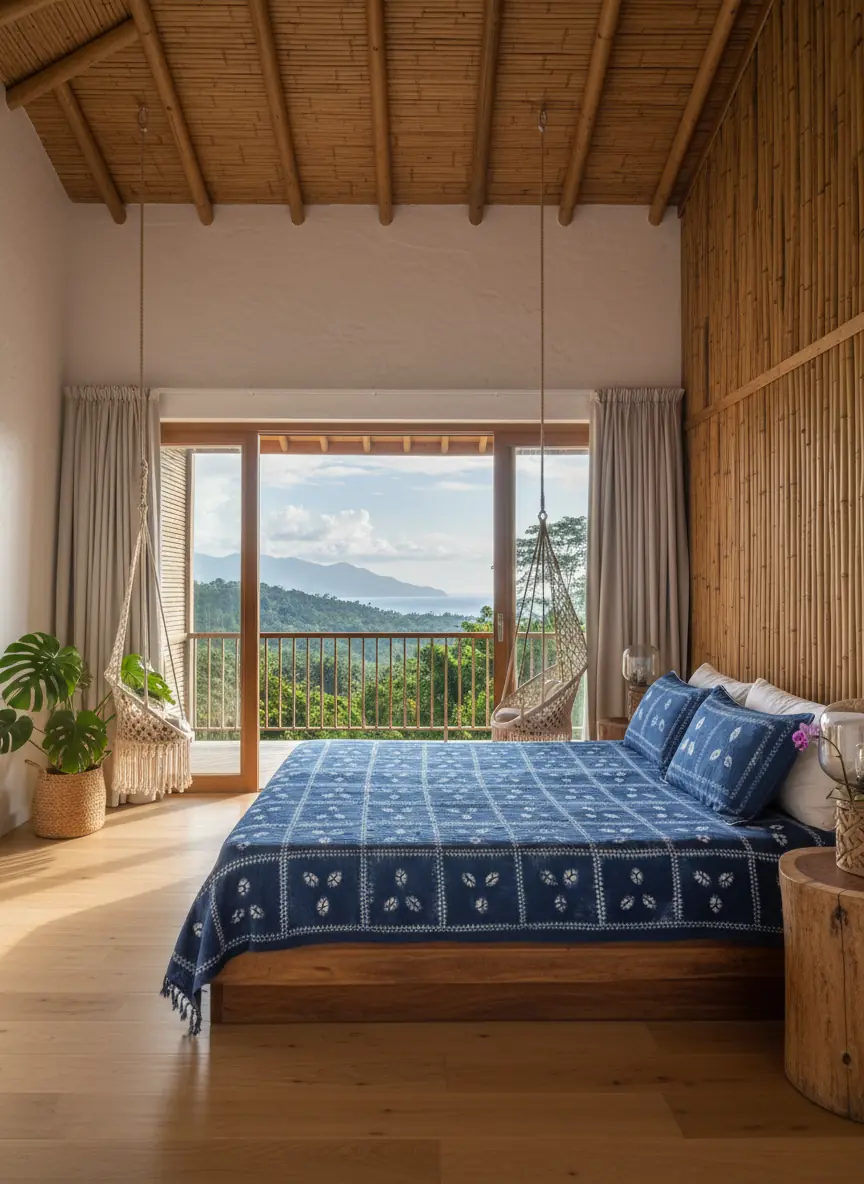
the draper was founded by a designer trained in fashion, who began tying and dyeing cloth in small batches and found that people wanted to live with it. The first pieces sold online and through Jatra, the Dhaka store known for championing Bangladeshi craft.
Those early customers taught us what makes a piece worth keeping: honest cloth, colour that ages well, and a pattern with a person behind it. As the work grew, so did the circle of artisans we work with.
Today we bring that same cloth to retailers, concept stores and interiors studios abroad, so that Bangladeshi hand-craft can reach a wider shelf with its story intact.
Our artisans
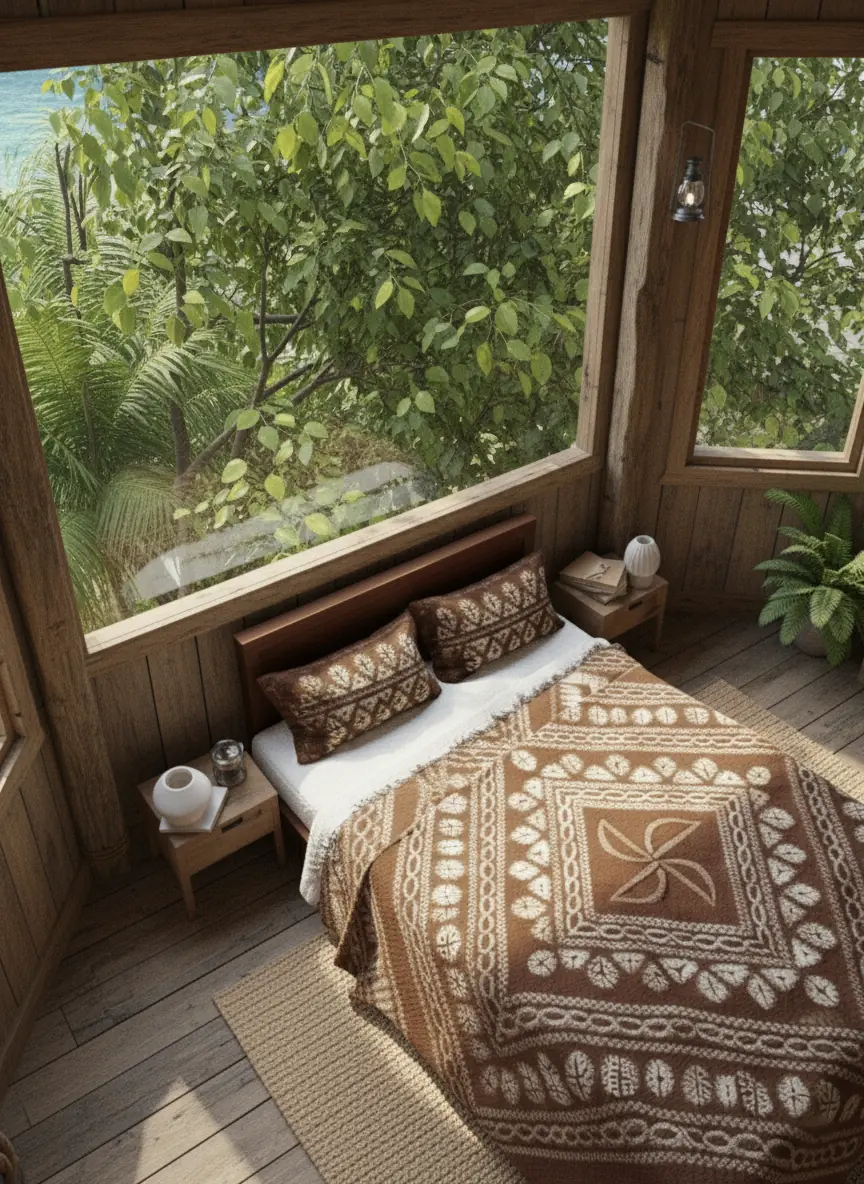
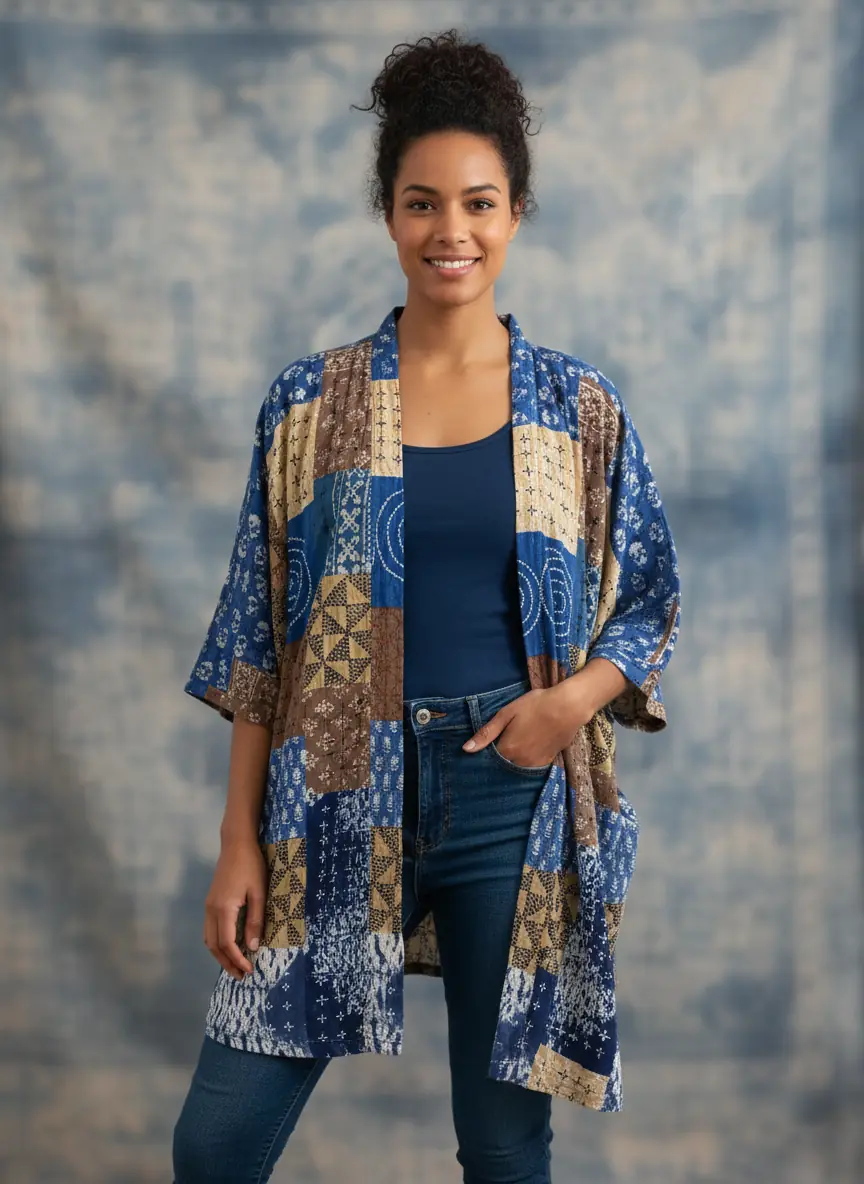
We produce through small, mostly women-led groups working from home or a shared courtyard. Each group owns one stage of the cloth, and orders are planned around their calendar, including harvest and monsoon.
Narsingdi & Tangail
Handloom cotton, slub and khadi bases, woven to the width and weight each piece needs.
Jamalpur & Jessore
Nui running stitch pulled tight before dyeing, and kantha quilting for throws and baby quilts.
Dhaka studio
Itajime clamping, arashi wrapping and kumo binding, each from a fold plan drawn in our studio.
Savar dye yard
Fermented indigo vats and mordant baths, with every recipe logged by lot for repeatable colour.
Trade enquiries
We sell to the trade only. Tell us about your store and season, and we will reply within two working days with our line sheet, costings and sample options.